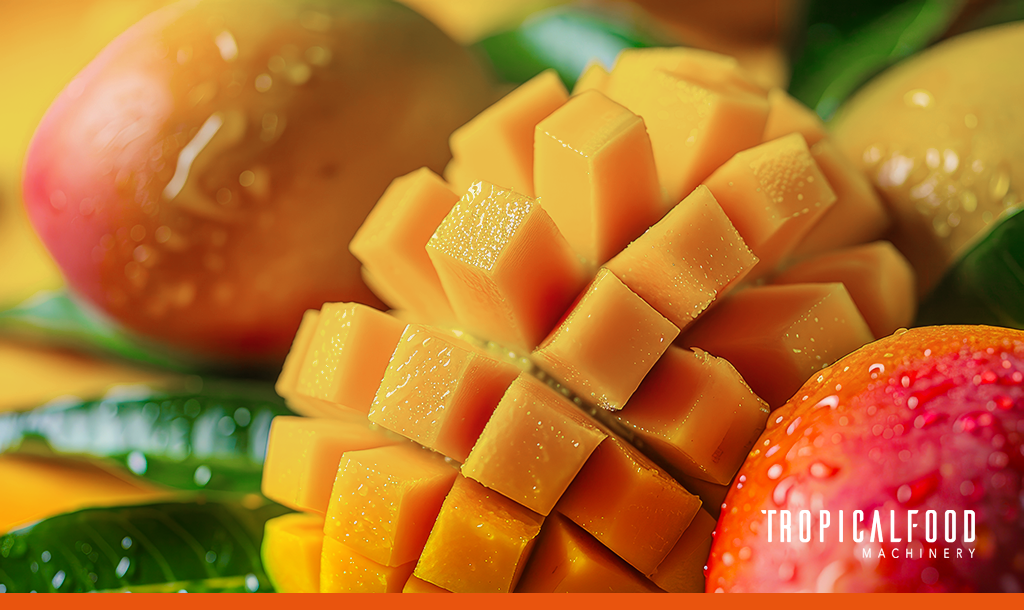
Mango Day: A New Tropical Star
Over the past 15 years, global mango production has increased by more than 50%, and an increasing number of countries are exporting it to international markets.
Whether enjoyed fresh, dried, or as juice, mango is appreciated by consumers around the globe thanks to its rich flavour and smooth, velvety texture, and it is now emerging as one of the leading tropical fruits worldwide.
Native to South Asia, mango is now among the three most widely cultivated tropical fruits in the world. While production is still concentrated mainly in India, exports are led by Latin American countries such as Mexico and Brazil. At the same time, mango cultivation is expanding rapidly across Africa. Many varieties are grown worldwide, some better suited for fresh consumption or drying, while others are particularly suitable for the production of purées and juices.
From a nutritional standpoint, mango is rich in potassium and vitamins A and C, providing a high energy value, although lower than that of bananas. In the culinary world, it is used in both sweet and savoury dishes, often paired with spices and chili peppers in South American cuisine. Mango processing also produces a purée widely used as a base for juices and sauces, while its distinctive aroma is extensively employed in the confectionery and cosmetics industries.
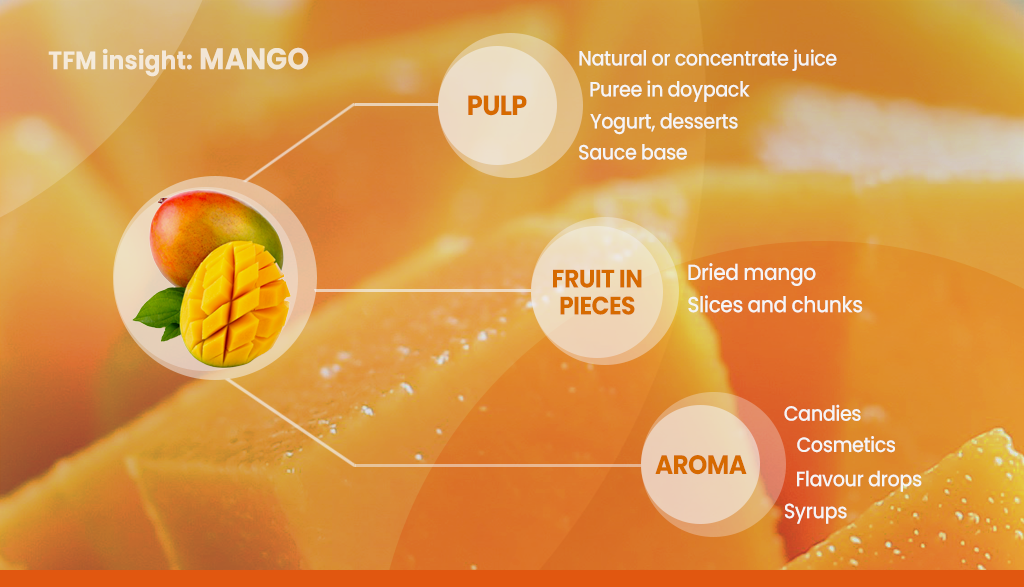
The highly seasonal nature of mango harvesting often results in surplus fruit that cannot be marketed or consumed before it naturally deteriorates. Processing the pulp into purée and preserving it aseptically therefore represents a strategic solution to maximize crop value, reduce food waste, and make the product safe and suitable for export. Even by-products can be successfully recovered: dried mango peels, for example, are commonly used as an ingredient in animal feed.
Tropical Food Machinery has extensive experience in mango processing, a fruit that requires a specific pre-treatment to remove urushiol, a molecule found in the peel that can cause irritation and potentially affect the flavour of the juice. The subsequent pulp extraction takes place in two distinct stages, allowing for the clean separation of the peel and the pit, followed by product refining.
Thanks to technologies specifically developed to meet the unique processing requirements of mango, Tropical Food Machinery designs and manufactures complete processing lines that transform this fruit into high-value-added products, helping reduce post-harvest losses and unlock the full potential of one of the world’s most promising tropical crops.
Discover our ➤ Mango and Multifruit line
Discover our ➤ Aroma Recovery System DIONISO